Source Round Head Expansion Screws for Construction and Industrial Use
Find 30 round head expansion screws from Chinese manufacturers. Compare carbon steel and stainless steel options with DIN standards and galvanizing treatments. Source custom OEM fasteners for construction projects with 100% inspection quality control; compare the available evidence and request quotations based on your requirements.
Key considerations
Products List


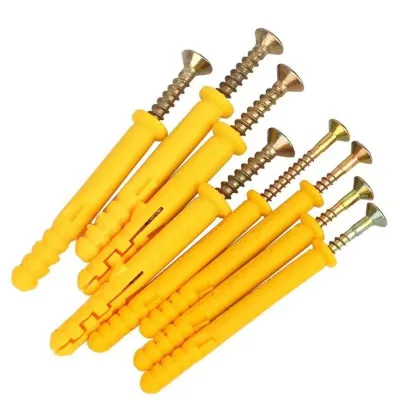
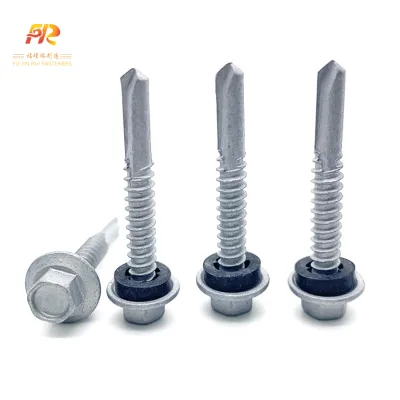


Comprehensive Sourcing Guide
Round Head Expansion Screws Sourcing Guide
Procuring round head expansion screws requires a clear understanding of the distinct material families available in the current market. Buyers often encounter listings that mix carbon steel and stainless steel options, each serving different environmental and structural needs. Carbon steel variants, frequently treated with galvanizing, offer high tensile strength and cost-efficiency for general construction applications. In contrast, stainless steel options provide superior corrosion resistance, making them essential for outdoor or humid environments where long-term durability is critical.
The market also presents plastic-based fasteners that utilize injection molding techniques, catering to lightweight or non-structural mounting needs. These plastic components often feature specific flame retardancy ratings, such as UL94-V2, which are vital for electronic enclosures or interior fixtures where fire safety codes apply. Understanding these material distinctions is the first step in defining your technical requirements, ensuring that you do not inadvertently order high-strength metal fasteners for applications that only require lightweight plastic anchors, or vice versa.
Product Scope and Observed Listing Signals
Current market listings reveal a wide variance in product specifications, ranging from standard DIN-compliant metal fasteners to highly customized plastic components. Observed data indicates that suppliers offer round head styles with common bolt connections, primarily targeting the construction industry. These metal fasteners are often sourced from regions like Handan, Hebei, and Dongguan, with origins clearly stated to assure buyers of the manufacturing base. The presence of specific model numbers, such as YB20240628-7 or M3x7, suggests that many suppliers maintain standardized SKUs for quick reference and immediate ordering.
Conversely, other listings emphasize extensive customization capabilities, accepting drawings in formats like PDF, DWG, and STEP files. These suppliers cater to OEM and ODM clients who require precise dimensional tolerances, often specifying dimensions based on customer drawings or physical samples. The observed price range is notably low, suggesting that basic volume items are commoditized, while specialized custom parts may carry higher unit costs. Buyers must carefully distinguish between these standardized and custom offerings to align their procurement strategy with their project’s specific timeline and budget constraints.
Technical Specifications to Verify
When evaluating technical specifications, the head style and connection type are primary verification points. Most observed products feature a round head design, which provides a smooth, low-profile finish suitable for applications where snagging or aesthetic uniformity is important. The connection method is typically described as a common bolt, indicating compatibility with standard threading and nut systems. Buyers should verify the groove type, as listings show variations between word grooves and hexagon grooves, which directly impact the torque application and tooling requirements during installation.
Material grade and surface treatment are equally critical for performance assurance. Carbon steel products are often galvanized to prevent rust, while stainless steel variants offer inherent corrosion resistance without additional coating. For plastic components, the molding type is specified as plastic injection, and the color options may include black or natural finishes. It is essential to confirm the unit of measurement, typically millimeters, and to request detailed dimensional drawings for custom orders. Verifying these attributes ensures that the fasteners will mechanically fit and perform as intended in the final assembly.
Compliance and Safety Documentation
Compliance documentation varies significantly depending on the material and intended application of the fastener. Metal fasteners often reference international standards such as DIN, ensuring dimensional and mechanical consistency across global markets. For plastic components, safety certifications are paramount, with many suppliers providing RoHS and REACH compliance to guarantee the absence of hazardous substances. These certifications are crucial for electronics and automotive applications where regulatory adherence is strictly enforced by law and industry standards.
Additional quality certifications, including ISO9001:2015 and IATF16949, indicate that the supplier maintains robust quality management systems. IATF16949 is particularly relevant for automotive supply chains, signaling that the manufacturer meets rigorous automotive industry quality standards. Buyers should request copies of these certificates to verify their validity and scope. Furthermore, for plastic parts, verifying the flame class, such as UL94-V2, is necessary to ensure compliance with fire safety regulations in building construction or electronic device manufacturing.
Cost Drivers and Commercial Terms
Several factors influence the final cost of round head expansion screws, with material type and surface treatment being primary drivers. Galvanized carbon steel is generally more cost-effective than stainless steel, while plastic injection-molded parts offer a different cost structure based on resin prices and mold complexity. The observed minimum order quantities (MOQ) range widely, from as low as one piece for samples to tens of thousands for bulk production. Buyers should negotiate MOQs based on their consumption rate, as higher volumes often unlock significant price reductions.
Packaging and shipping terms also impact the total landed cost. Standard packaging includes PP bags inside carton boxes, while custom packaging can be arranged to meet specific logistical needs. Shipping options range from express courier for urgent, small batches to sea freight for large, cost-sensitive orders. Buyers must clarify whether the quoted price includes export packaging and documentation. Understanding these commercial terms helps in accurately forecasting the total procurement cost and avoiding unexpected fees related to packaging upgrades or expedited shipping.
Supplier Qualification and Quality Control
Supplier qualification should begin with verifying their production capabilities and quality control processes. Many observed suppliers utilize CNC machining and stamping machines, indicating a capacity for precision manufacturing. It is advisable to confirm that the supplier performs 100% inspection before shipping, a practice that significantly reduces the risk of receiving defective batches. Buyers should also inquire about the supplier’s ability to support customization, including the acceptance of OEM and ODM services, which reflects their flexibility and engineering support.
The origin of the product is another key indicator of supply chain reliability. Suppliers based in established industrial hubs like Handan, Hebei, and Ganzhou often have mature ecosystems for fastener production. Buyers should request evidence of their production equipment and quality assurance protocols. Additionally, verifying the supplier’s ability to provide detailed technical support, such as drawing interpretation and prototype development, can be a decisive factor in selecting a long-term partner. A qualified supplier will transparently share their quality control metrics and production capacity.
Long-Term Procurement Checks
Establishing a long-term procurement strategy requires regular audits of supplier performance and product consistency. Buyers should monitor the stability of material grades and surface treatments over time, as variations can affect the performance of the final assembly. Regularly reviewing the supplier’s certification status ensures that they maintain compliance with evolving industry standards and regulations. It is also prudent to conduct periodic sample testing to verify that the products continue to meet the specified technical requirements, such as tensile strength and corrosion resistance.
Communication and responsiveness are critical for maintaining a healthy supply chain. Buyers should assess the supplier’s ability to handle changes in order volume or specification updates efficiently. Establishing clear channels for feedback and issue resolution helps in addressing any quality concerns promptly. Additionally, reviewing the supplier’s shipment terms and lead times periodically ensures that they remain competitive and reliable. By maintaining a proactive approach to supplier management, buyers can mitigate risks and ensure a steady supply of high-quality round head expansion screws.
FAQs
What materials are used for round head expansion screws?
Round head expansion screws are manufactured from carbon steel and stainless steel. These materials provide the necessary strength and corrosion resistance for construction applications. The choice between carbon steel and stainless steel depends on the specific environmental conditions and load requirements of the installation project.
Can these screws be customized for specific projects?
Yes, customization is available for round head expansion screws. Buyers can provide drawings in PDF, 2D, 3D, DWG, IGS, STEP, or SolidWorks formats. The manufacturer supports OEM and ODM services to produce parts according to specific dimensions and samples, ensuring the product fits unique engineering needs.
What surface treatments are applied to these fasteners?
Surface treatments include galvanizing, painting, powder coating, plating, and polishing. These processes enhance durability and aesthetic appeal. Galvanizing is commonly used for carbon steel to prevent rust, while stainless steel options may undergo polishing or plating to meet specific industry standards and visual requirements for construction projects.
Which certifications do the manufacturers hold?
Manufacturers typically hold ISO9001:2015, IATF16949, RoHS, and Reach certifications. These credentials ensure quality management and environmental compliance. The production facilities utilize CNC machining and stamping machines to maintain precision, with 100% inspection before shipping to guarantee that every fastener meets the required quality control standards.
What are the packaging and shipping options?
Packaging includes PP bags inside carton boxes, standard bags, or custom requirements. Shipping terms cover express, air freight, and sea freight. The origin locations include Handan, Dongguan, and Ganzhou in China. Buyers can select packaging that suits their logistics needs, with options ranging from bulk container loads to smaller carton quantities.
What is the minimum order quantity for these screws?
The minimum order quantity varies by product specification. Some items require a minimum of 1000 pieces, while others may start at 100 units. The observed range spans from 1 to 100,000 units depending on the specific model and customization level. Buyers should check the specific MOQ for their desired model.